Vent-Free vs Vented vs Electric Fireplace: The Honest Breakdown
Three completely different answers to 'I want a fireplace.' One needs a chimney, one needs nothing but a gas line, one needs only an outlet. Here's which fits your house — from a dealer who sells electric fireplaces and gas log sets every day.
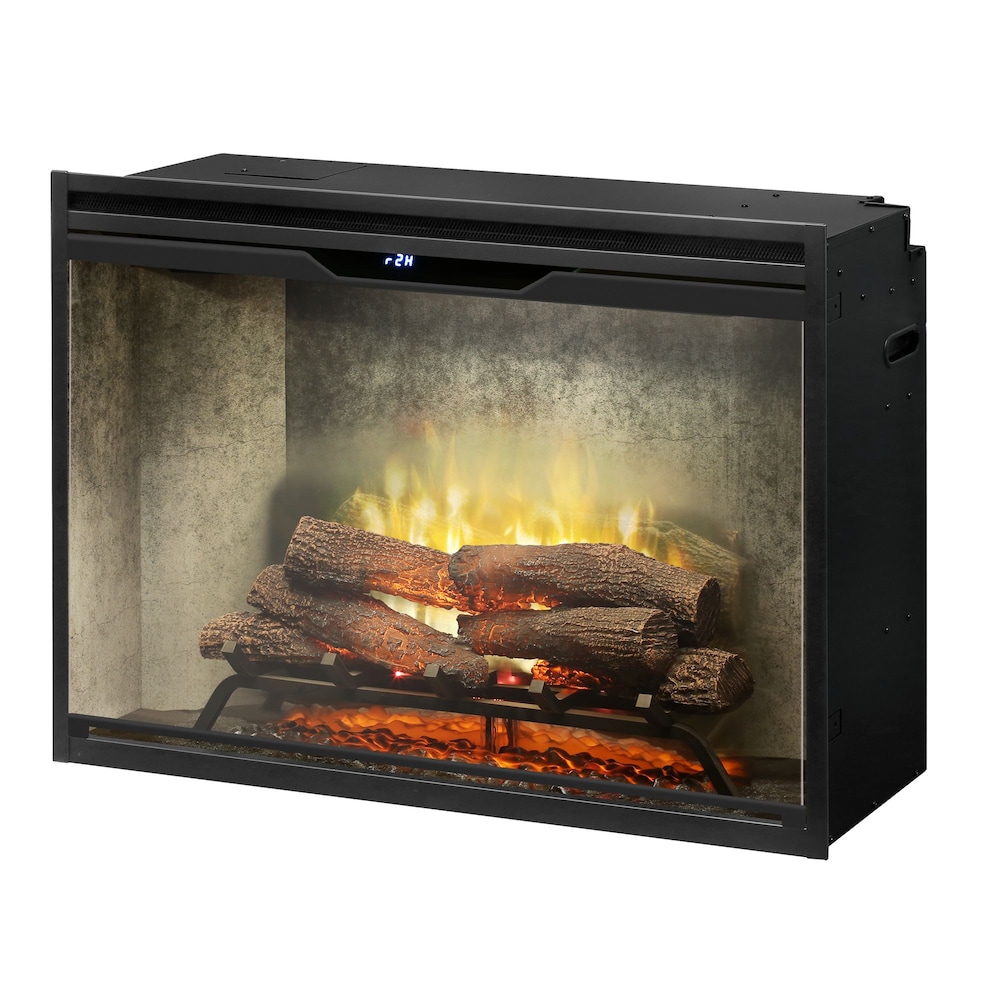
Most fireplace confusion comes from mixing up these three. They're not three versions of the same thing — they're three different products with different installs, different heat, and different rules. Let's sort them out.
Vented fireplace
- The traditional one. Real wood or gas fire with a chimney or direct vent carrying exhaust outside.
- Best flame, most heat. Nothing beats it for BTU output and the look of real combustion.
- Biggest install. Chimney or venting plus a gas line for gas versions — a project, not an afternoon.
- Loses heat up the flue. A good portion of the warmth goes outside with the exhaust.
Vent-free gas fireplace
- No chimney needed. Burns gas so cleanly it vents into the room — nearly all the heat stays with you.
- Serious heating. The most efficient gas option; a genuine supplemental (sometimes primary) heat source.
- Needs a gas line and must be sized to the room. Some states, cities, and HOAs restrict or ban them — check local code first.
- Our tie-in: we sell Grand Canyon gas log sets in both vented and vent-free configurations for existing fireplaces.
Electric fireplace
- Installs anywhere. An outlet is the whole requirement — no chimney, no venting, no gas line, no permits in most areas.
- Modern flame tech is genuinely convincing. Dimplex's and Modern Flames' LED and projection effects fool most guests.
- Lowest total cost. The unit plus an afternoon — often less than just the gas-line work for a gas unit.
- Supplemental heat, not primary. Warms the room it's in beautifully; won't heat a house. Flame runs with or without heat.
The decision rule: want maximum heat and real flame and you have (or will build) the infrastructure? Vented. Want gas heat without a chimney, and your local code allows it? Vent-free — and check that code question before you fall in love. Want the look and feel with minimum fuss — a bedroom, a condo, a covered patio, anywhere without a chimney? Electric wins and it's not close.
On realism: be honest with yourself about what matters. Guests consistently mistake high-end electric flames for gas. But if you will always know, and that bothers you, buy gas.
The verdict
Electric for simplicity and design freedom — it goes where the others can't and costs far less installed. Vent-free gas for maximum heat without a chimney (where allowed). Vented for the traditional real-fire experience. Most of our fireplace buyers land on electric for the sheer ease of it — then spend the savings on a bigger unit.
Still deciding? Talk to a dealer who sells the good stuff.
Email orders@grillandember.com — we'll match the right product to your setup, and our price-beat guarantee means you won't overpay either way.
Shop the collectionCommon questions
Are vent-free fireplaces legal everywhere?
No — and this is the critical check. Some states, municipalities, and HOAs restrict or prohibit vent-free gas appliances. Verify your local code before buying. Where allowed, they're safe when properly installed and sized to the room.
How much does it cost to run an electric fireplace?
In flame-only ambiance mode, pennies per hour — it's just LEDs. With the heater on, roughly the cost of a 1,500W space heater, typically 15–25 cents per hour depending on your electricity rate.
Can I put gas logs in my existing wood fireplace?
Often yes — that's exactly what vented gas log sets are for. Vent-free log sets can also convert many existing fireplaces. Send us a photo of your firebox and we'll tell you which fits.
Which electric fireplace brands do you recommend?
Dimplex and Modern Flames — the two we'd put our name behind, which is why they're the two we sell. Dimplex pioneered realistic electric flame; Modern Flames leads on sleek linear designs.